
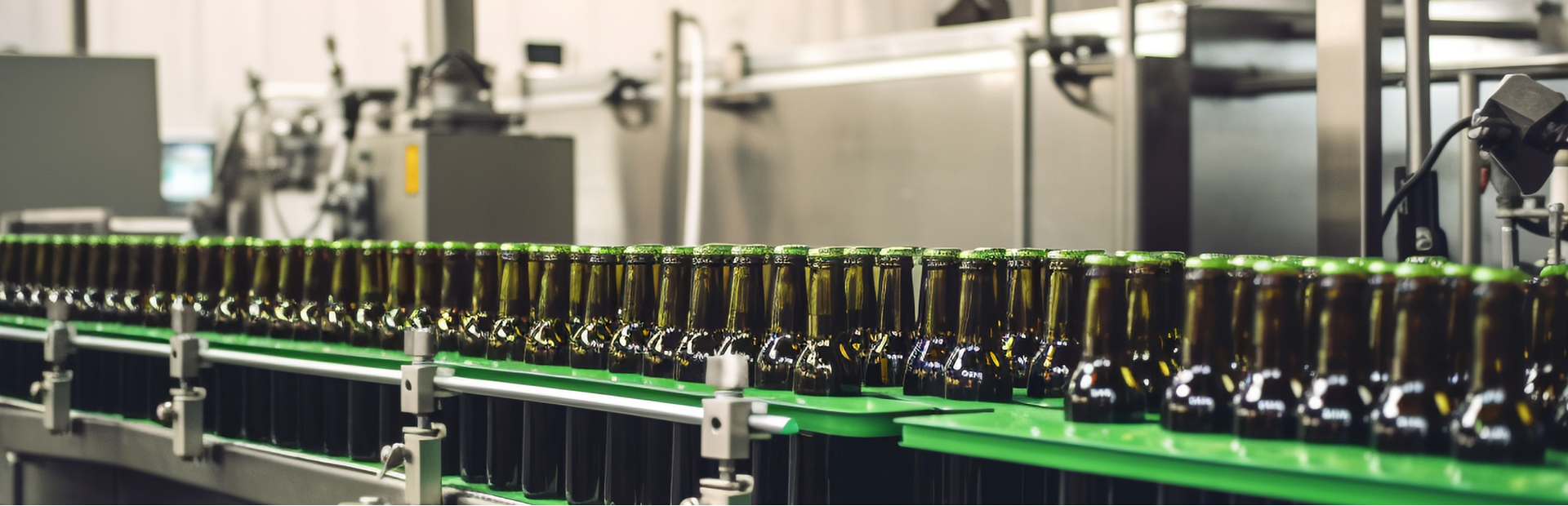
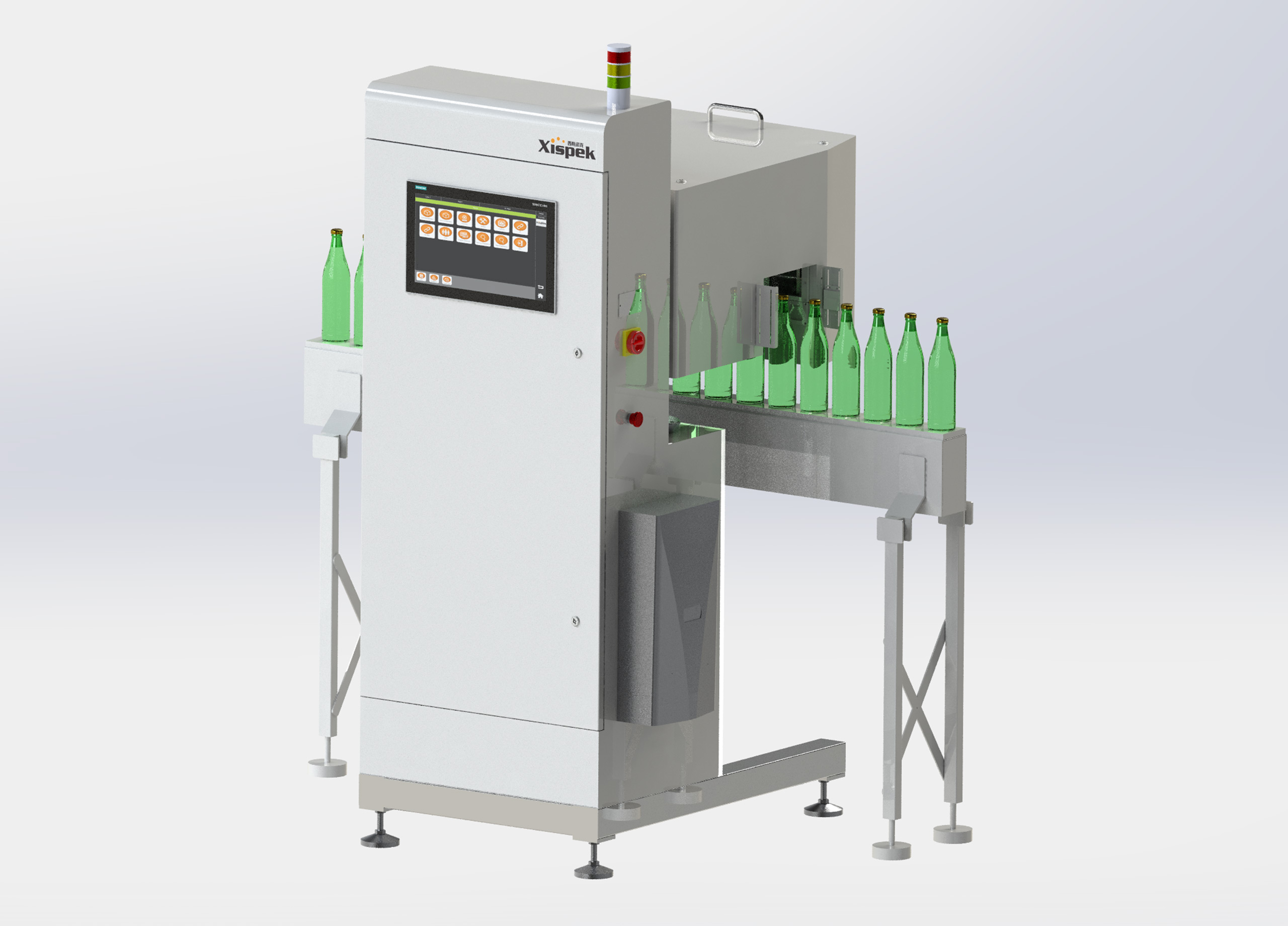
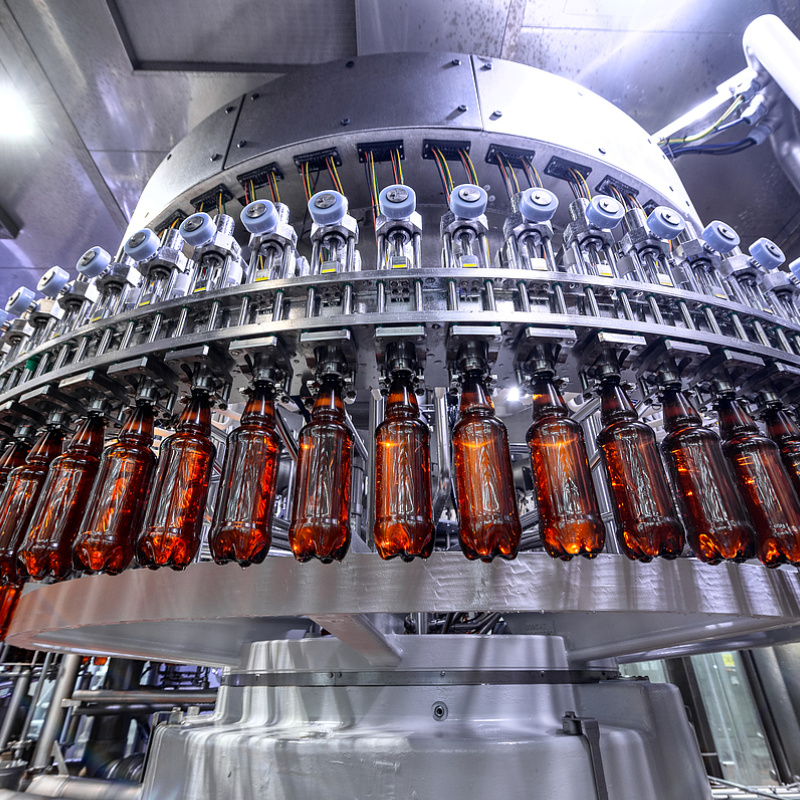
The integrated full-bottle inspector Promita-G One is engineered to meet the requirements of glass bottle filling production lines. Designed for in-line inspection of filled bottles after filling, it reliably checks fill level, caps and coding marks and precisely rejects defective products to guarantee consistent product quality. Optionally combinable with the Filling Management System (FMS), it enables traceability of faulty items on the line, real-time production monitoring and effective reduction of production losses.
|
Scope of application:
|
Installation Location:
|
|
|
|
|
Power:
|
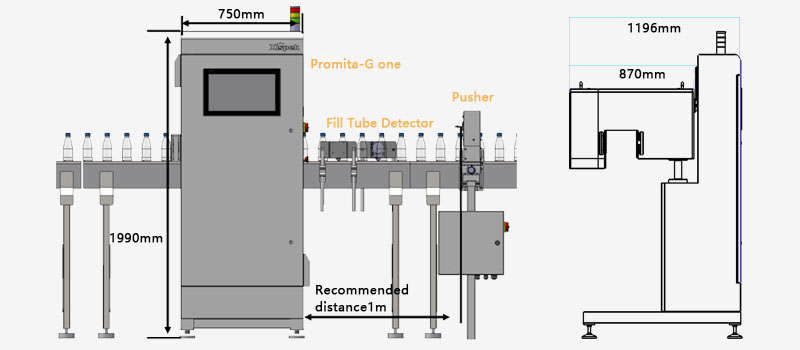
Size:
|
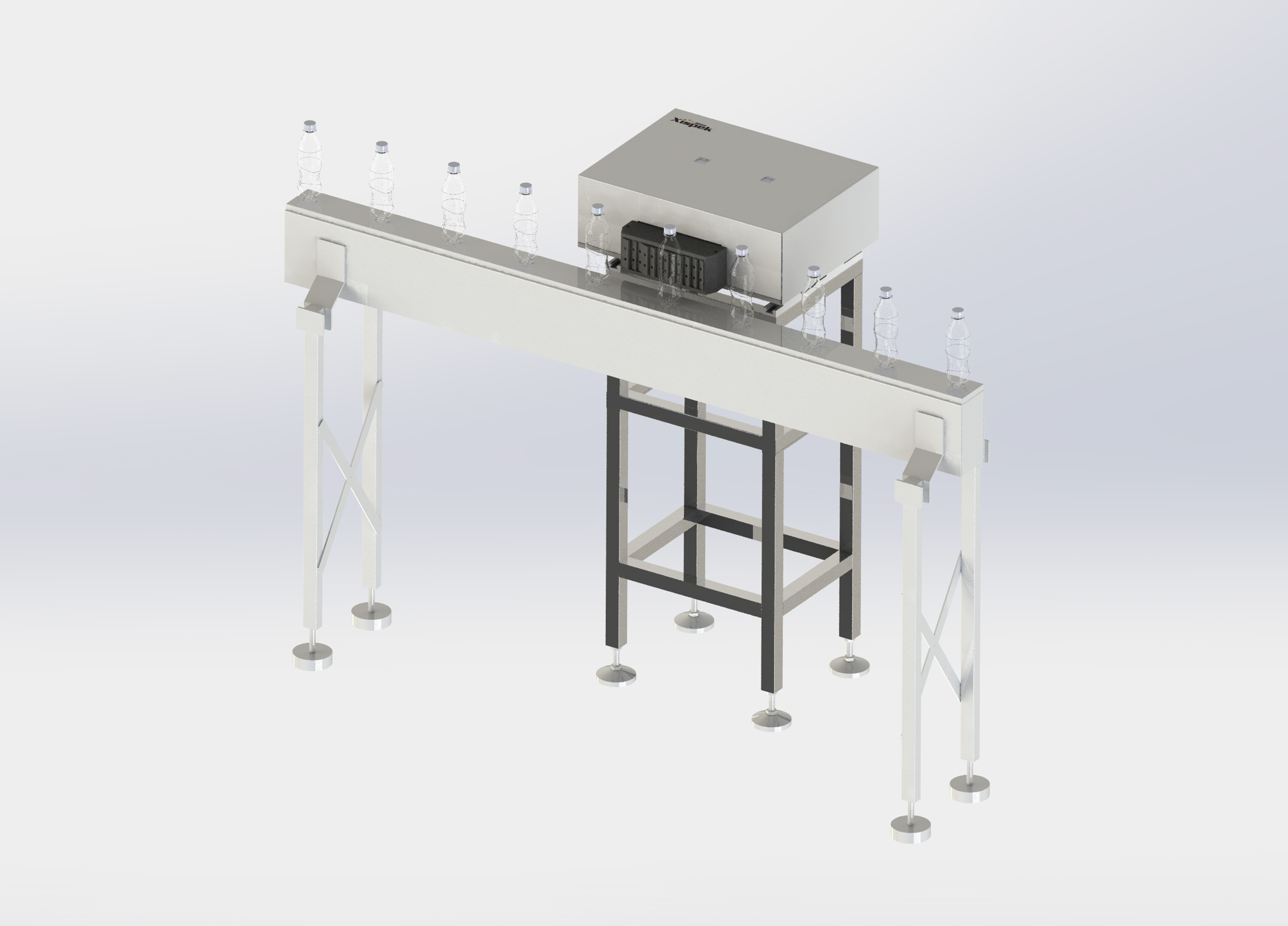
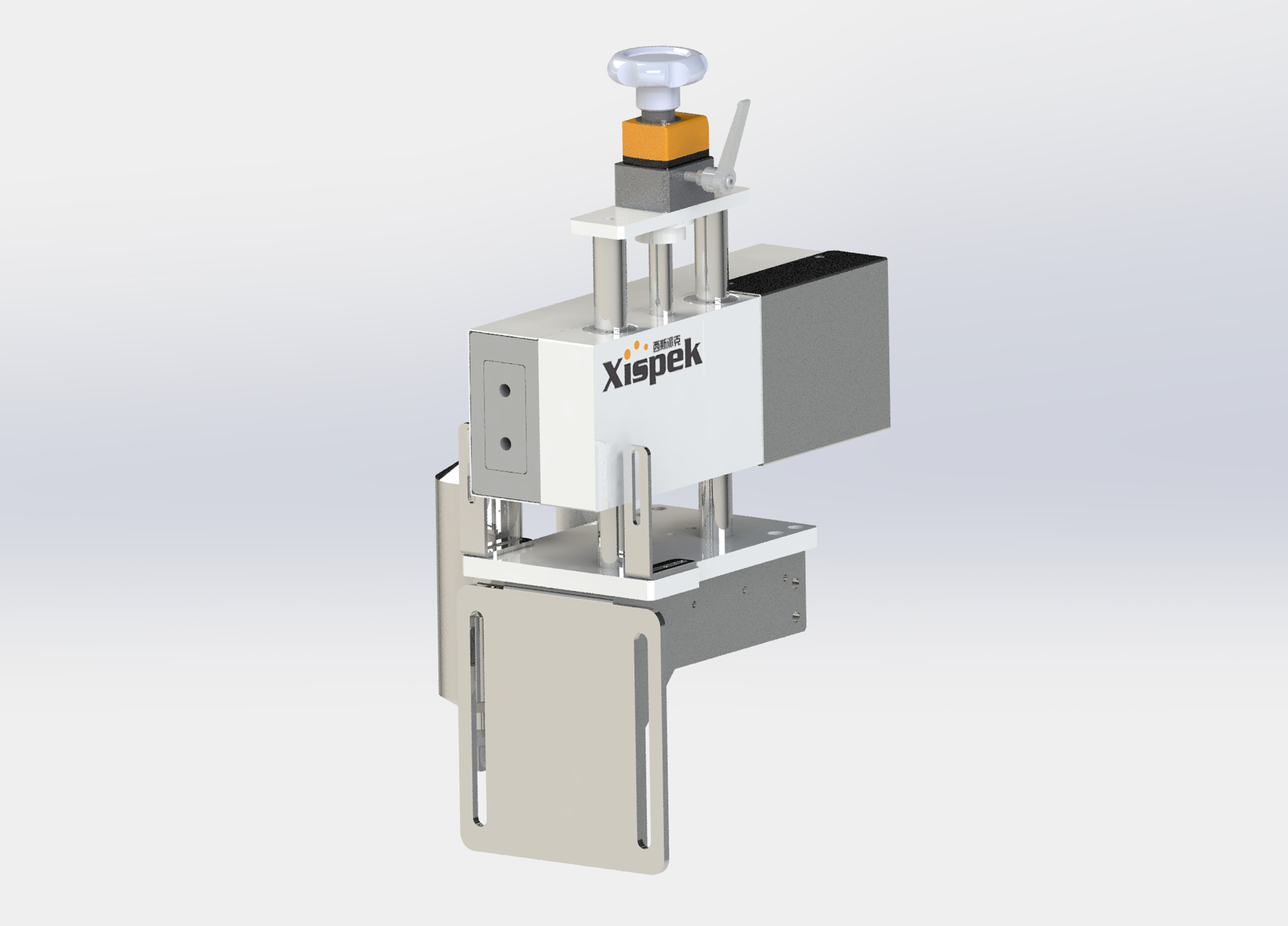
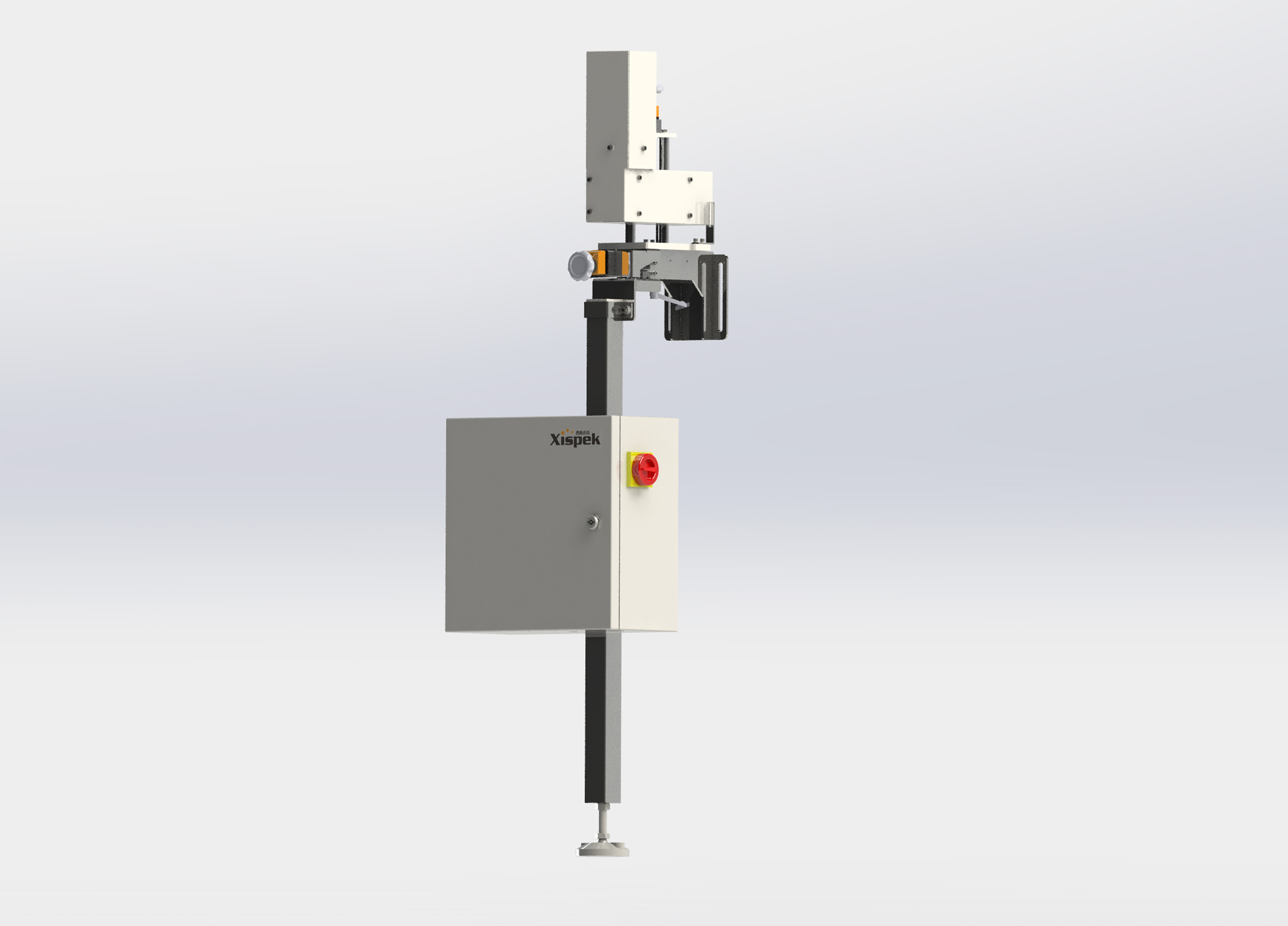
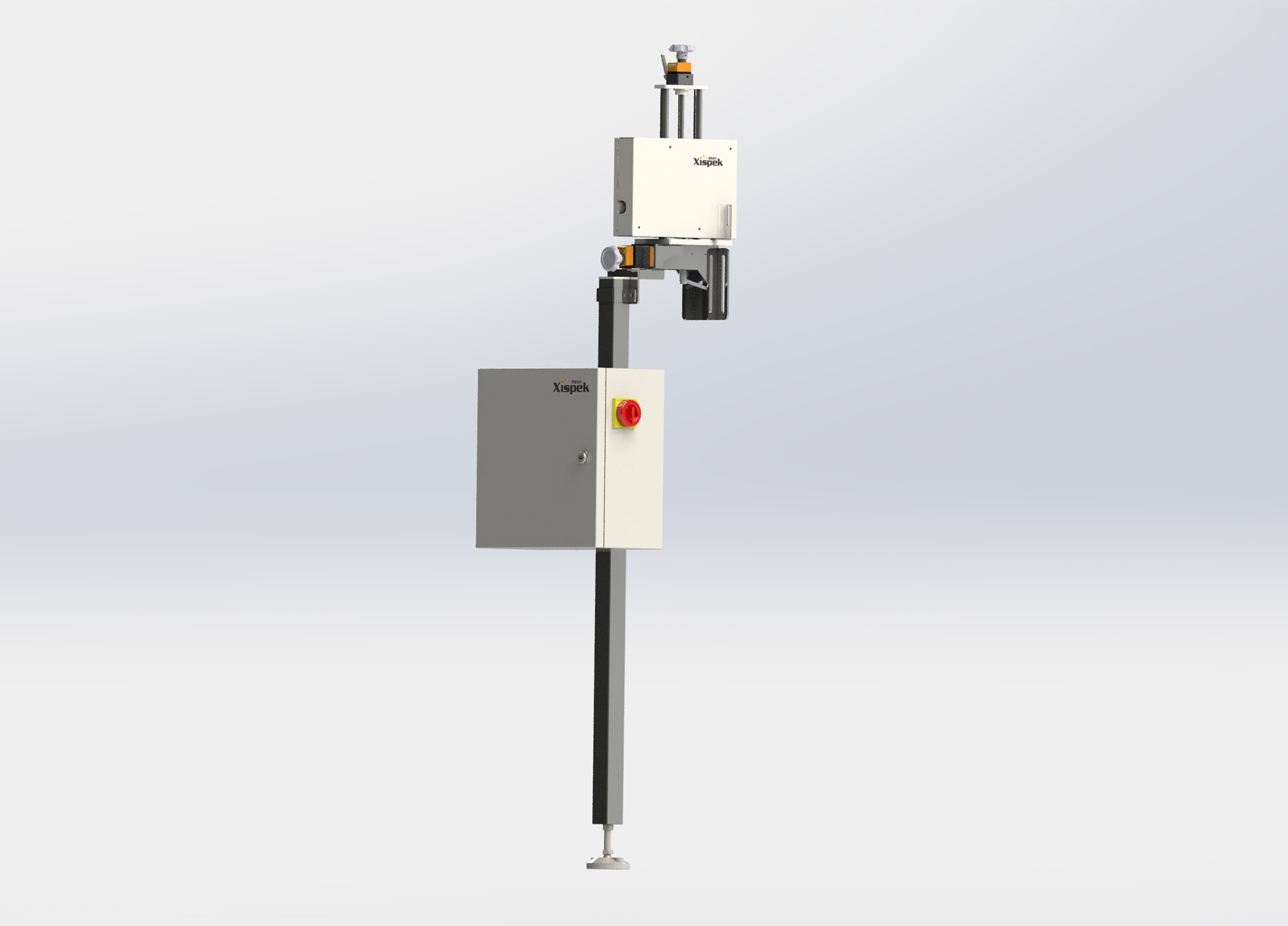
The Promita-G One full bottle inspector integrates inspection functions for liquid level, bottle caps, spray codes and more. It combines vision imaging and sensors to ensure precise inspection of every container.
A dedicated control center can be selected to match production line speeds, delivering a maximum inspection capacity of 72,000BPH.
The device features fully automatic height adjustment with an adjustment range of 250 mm. One-click product changeover enables quick adaptation to different products.
 Fill Level Inspecion
Cap Inspection
Code Presence
 Top Logo Inspection(Optional)
Metal filling needle inspection(Optional)
Filler Management System(Optional)
Full bottle foreign object inspection (Optional)
Large suspended foreign particle inspection (Optional)
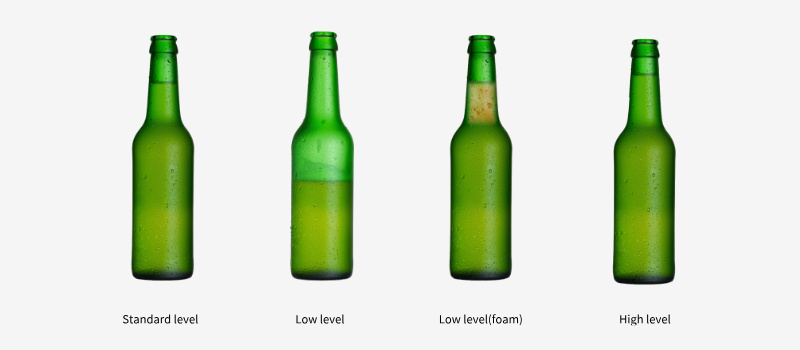
It mainly inspects the liquid level inside bottles. High-resolution cameras and custom light reflectors are used to distinguish between normal and abnormal liquid levels.
The liquid level inspection unit consists of one industrial camera and maintenance-free infrared LED lights. The strong penetrability of infrared light enhances image contrast. Meanwhile, the XispVision inspection platform accurately calculates liquid level by comparing height differences on both sides. It eliminates the impact of uneven liquid surfaces during high-speed conveying and delivers an inspection accuracy of ±1 mm, ensuring efficient and stable system operation.
X-ray liquid level inspection is available as an option, which is suitable for opaque containers such as cans.
Fill Level Inspecion Features:
Utilizes maintenance-free, long-life infrared LED light source with high imaging contrast
Equipped with unique foam compensation algorithm
Optional X-ray module available for inspecting liquid levels in cans
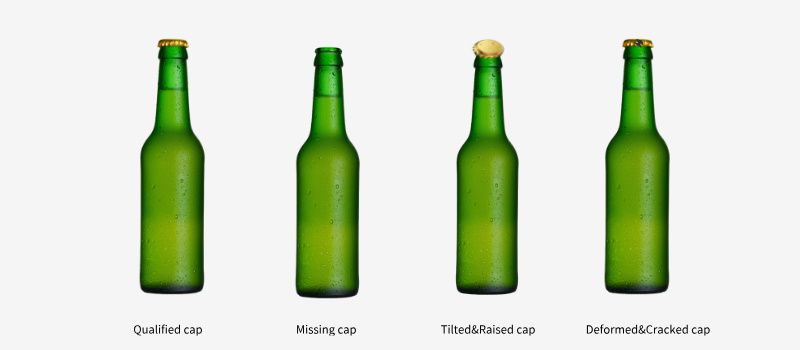
This function mainly inspects crown caps for missing caps, over-height caps, under-height caps, tilted caps and deformed caps.
The cap inspection system is equipped with three industrial cameras and maintenance-free long-life white LED lights. Backlight shooting is adopted to improve image contrast. Combined with a precision optical reflection system, it realizes 360° full inspection of crown cap profiles and rejects products with tilted, missing or deformed caps. The inspection accuracy for tilted and over-height caps reaches ±1 mm.
For simple presence/absence detection of crown caps, the optional crown cap inspection module S (KKI-S) is available.

It mainly inspects the presence or absence of product codes and is compatible with all common inkjet and laser coding machines.
The inspection accuracy reaches 99.9% for codes that are completely missing or worn away by more than 70%.

It mainly checks caps for missing top logos and wrong-colour patterns to identify abnormal caps. Constructed from grade 304 stainless steel, it complies with hygienic production standards.
The cap-top logo inspection unit consists of one colour industrial camera and a ring-shaped LED light source, which identifies faulty caps based on pattern and colour differences. Besides, it judges cap damage via roundness measurement, adding an extra safeguard for cap inspection.

Inspects the resence of metal filling needles and other metal contaminants in bottle bottoms.
Implemented using high-sensitivity metal inspectors installed on both sides of the conveyor belt. Integrated with flexible rejection systems to uniformly collect and process defective.
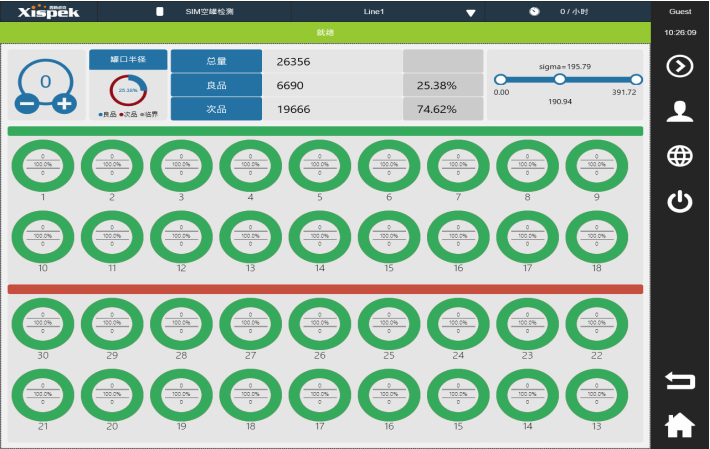
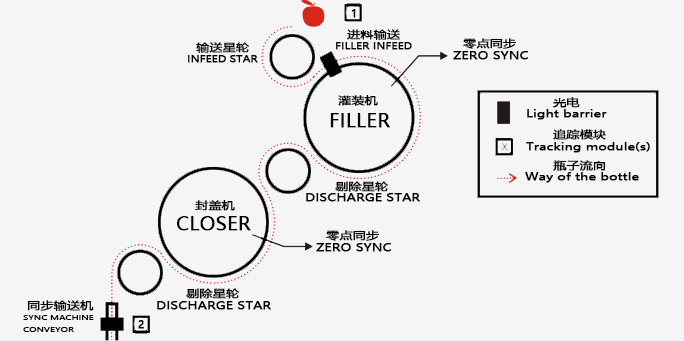
Combining the inspection system with the real-time tracking system links statistical inspection data to the positions of filling valves inside the filler and capping heads. Each filling head and other equipment requiring traceability is fitted with a photoelectric sensor. Triggering of the sensor creates an independent monitoring channel for corresponding products, which closes upon product rejection to achieve full-lifecycle tracking.
If a specific filling valve repeatedly delivers underfilled products or a certain capping head continuously produces tilted caps, the system automatically alerts operators for targeted maintenance. This facilitates predictive maintenance at the plant, cuts downtime and improves production stability.
Moreover, the filling management system enables online pre-inspection against bottle bursting to block defective bottles with hidden cracks, preventing high-pressure breakage during filling, machine jamming caused by broken glass and product contamination.
Custom sampling is also supported with flexible configurable sampling rules: for example, extracting 10 sample bottles from a designated filling valve or bulk sampling from all working stations. The system runs sampling automatically after simple parameter entry, delivering high efficiency and greatly improving overall product quality.
Filling Management System Features:
TrackML® patented tracking technology
Individual statistics summary for each filling head (capping head)
Equipment problem diagnosis and analysis
Sampling function
Sub-item statistics by machine position
Graphical report generation function

Inspects mold spots, fine contaminants, and other pollutants affecting product quality inside bottles.
Some residual mold spots and fine contaminants in recycled glass bottles are difficult to inspect with empty bottle inspectior. Foreign object inspection uses dynamic intelligent algorithms to identify bubbles generated by foreign objects, enabling simultaneous inspection of internal contaminants while preventing false rejection of externally soiled bottles. The recognition rate reaches ≥99.9%, addressing the inefficiency of manual inspection and high miss-inspection rates.
It mainly detects foreign impurities mixed in during filling.

Mr. Su:13912634161